
Justin
Forum Replies Created

Another strategy would be to treat hydrogen sulfide production inside the digester, significantly reducing the load that the carbon is exposed to and responsible for, making it last significantly longer.
At PlanET we use a combination of micro-aeration (O2 injection into the digester), eco-net for sulfur accumulation and precipitation, and dosing with iron oxyhydroxide.
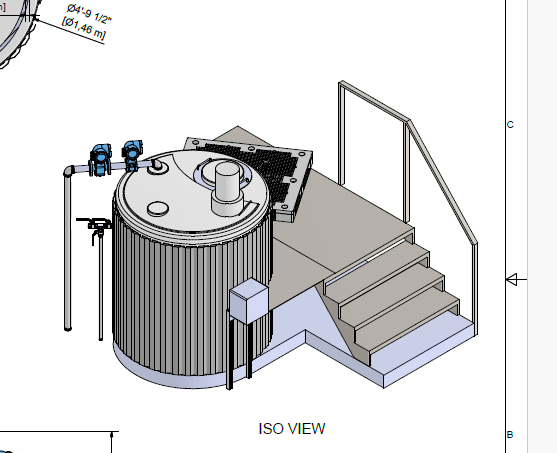
The dosing can be accomplished several ways, including with our own PlanET SmartDose systems. The SmartDose mixes the iron powder into solution and injects it directly into the digester for maximum reactivity.They are available in different sizes and configurations to fit your plants, so reach out if you’d like to learn more.
Biology testing provided invaluable insights that can significantly reduce risk and help optimize production and feeding rates in an AD. It can characterize the quality of solids being fed, reveal elemental deficiencies, screen for contamination, and asses H2S treatment efficiency.
Hello Natalia,
Thank you, and in our experience a biological evaluation is going to reveal a lot of potential issues.
It can provide guidance on feeding rates, retention time, solids characterization, and more.
For example, the FOS/TAC ratio is very important to assess biological health issues that lead to reduced production.Beyond that, an audit of the major systems, H2S mitigation strategy, preventative maintenance, can all reveal issues leading to inefficiencies.