Unlocking Climate‑Smart Energy from Dairy Manure: The Okayama Biogas Project

By Anaergia
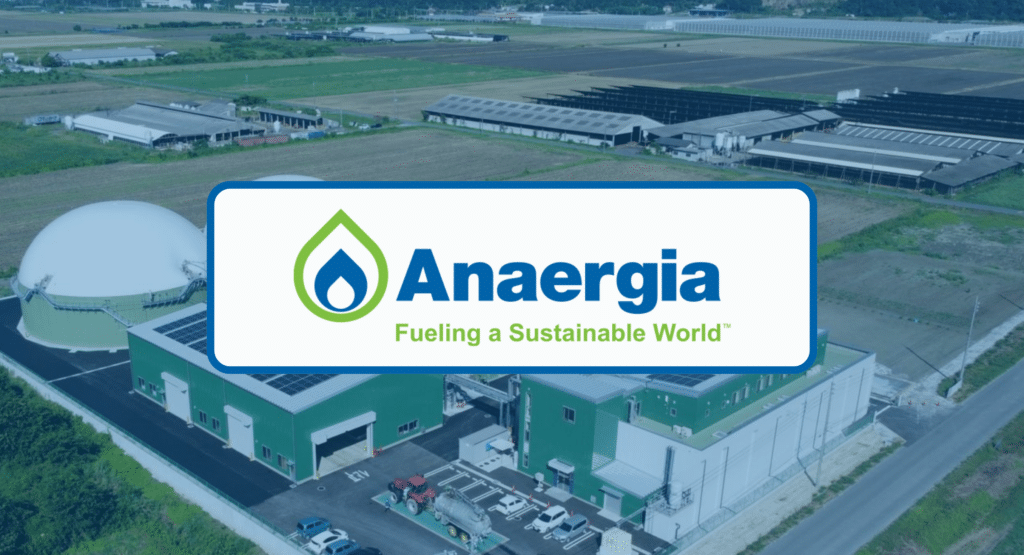
In Japan’s Okayama Prefecture, a landmark initiative is demonstrating how agricultural innovation can accelerate the region’s transition toward circular, low‑carbon energy systems. Designed and commissioned by Anaergia in 2024, the Okayama Dairy Biogas Project stands as one of the country’s most advanced examples of farm‑scale anaerobic digestion. It transforms livestock manure into renewable energy while supporting environmental stewardship and rural resilience.
Located in Kasaoka City, the facility processes 90,800 metric tons per year of dairy manure sourced from local cattle operations. Free barn manure, free‑stall manure, and liquid slurry are blended into a carefully controlled feedstock mix to ensure consistent digester performance. The material first enters below‑grade reception tanks, where it is homogenized and diluted, before being transferred to insulated steel digesters operating at mesophilic temperatures of 38 to 40°C. This carefully managed biological process transforms organic solids into a clean, high‑quality biogas stream.
The result is a significant contribution to Japan’s renewable energy goals. The plant generates 465 cubic meters of biogas per hour, which fuels combined heat and power units that produce 1.2 megawatts of electricity for export to the local grid. This supports national decarbonization objectives while helping dairy producers reduce the climate impact of manure management, an increasingly urgent priority across the region.

Beyond energy production, the project showcases how thoughtful system integration can reshape farm resource management. By converting manure into stabilized, nutrient‑rich digestate, the facility creates a sustainable output that can be returned to the land with confidence. This strengthens the link between food production and clean energy, demonstrating how agricultural by‑products can become long‑term value streams.
As one of the most advanced dairy biogas facilities in the region, the project underscores what is possible when technology providers and agricultural stakeholders collaborate to drive meaningful change. It reflects a broader trend across Asia, where producers are seeking practical, proven solutions to decarbonize operations, reduce waste, and unlock new value from existing resources.
For organizations considering similar transitions, the Okayama project offers a compelling case study in climate‑positive innovation. With the right expertise and a collaborative mindset, even traditional agricultural practices can evolve into resilient, circular energy solutions. The momentum is building, and projects like this prove that turning everyday waste into renewable energy is not only achievable but transformative.
Learn more at www.anaergia.com
You can find more insights like this in the 2026 Asia edition of the Biogas Community Magazine.


Comments