Extending Performance Over Time: Sustainability Applied to the Compressor Life Cycle


By Adicomp
Biogas plants represent a concrete model of a sustainable energy supply chain, fully aligned with the principles of resource valorization and circular economy. Biogas is mainly produced from agricultural residues, livestock manure, agri-food waste, sewage sludge, and landfill waste—materials that would otherwise generate environmental and economic burdens. Through anaerobic digestion, these inputs are transformed into renewable energy, while the resulting digestate can be reused as fertilizer, reducing reliance on synthetic alternatives. This makes biogas not only a source of energy but also a key driver for waste management, emission reduction, and local value creation.
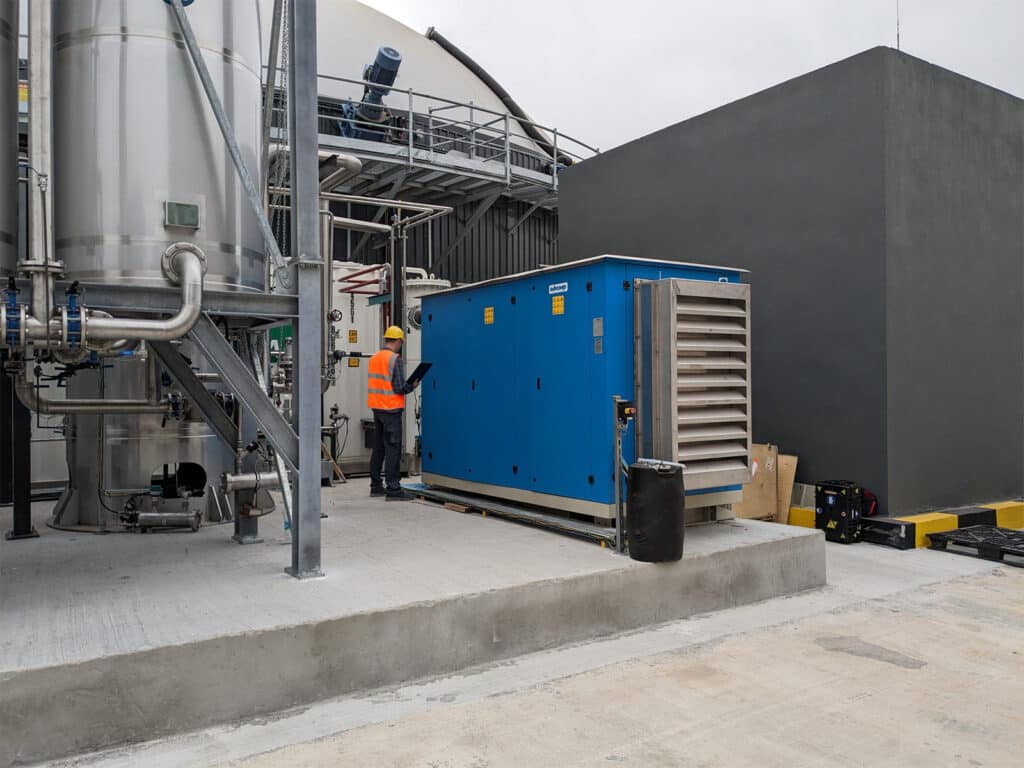
Within this context, compressors play a critical role in upgrading plants, where raw biogas is processed into biomethane. Their performance directly impacts plant productivity: any failure leads to production losses while operating costs continue. Given the variability of biogas generation, compressors must ensure reliability, flexibility, and long-term efficiency. Their contribution goes beyond process support—they significantly influence the energy efficiency and environmental footprint of the entire system.
For Adicomp, sustainability means ensuring that compressors maintain high performance throughout their entire life cycle. This approach can be defined as Extending Performance Over Time and is based on a structured method that combines engineering expertise, advanced asset management, and targeted technical interventions. With more than 10,000 compressors installed worldwide, Adicomp has developed a comprehensive strategy to enhance durability, efficiency, and reliability over time.
Several key levers support this approach:
- Energy efficiency (dynamic load adaptation): improved through inverter technology and integrated by-pass systems, allowing compressors to precisely match real process demand, reduce energy consumption, and limit mechanical stress.
- Heat recovery: in screw compressors, up to 80% of absorbed power is transferred to oil and can be recovered via oil-water exchangers, making it available for other uses and increasing overall plant efficiency.
- Overhauling: essential to preserve performance by restoring the gas end to original conditions even after years of operation, extending component life and ensuring reliability.
- Upgrade: enables existing machines to integrate new technologies-such as improved electronics or extended maintenance intervals-without full replacement, reducing both costs and environmental impact.
Spare parts quality: the use of high-quality original spare parts ensures operational continuity and reliability, minimizing downtime and resource waste.
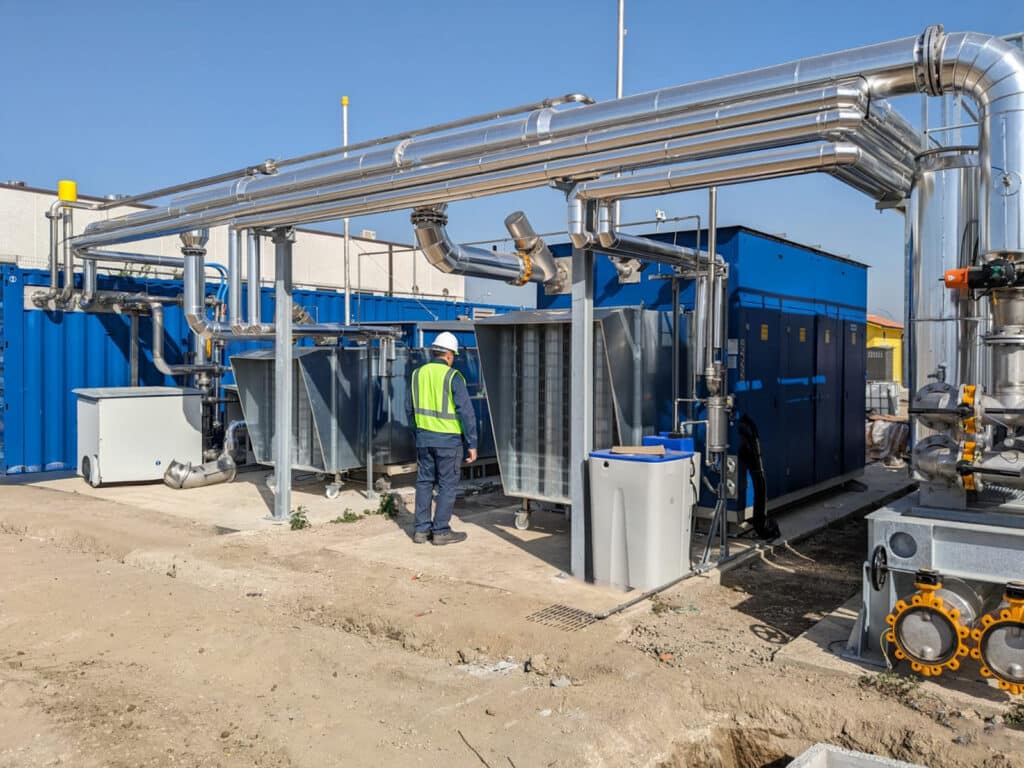
In the Adicomp approach, sustainability is not a single action but a continuous process. By integrating efficiency, reliability, and life cycle management, compressors become active contributors to the environmental value of biogas systems, supporting a more sustainable energy future.
You can find more insights like this in the 2026 Europe Edition of the Biogas Community Magazine.


Comments